
• neilghuman

Winter Pests in Washington: What’s Hiding Indoors

When winter arrives in Washington, pests don’t disappear — they move in. As temperatures drop, many insects and rodents seek warmth, food, and shelter inside homes and businesses. While you’re cozying up indoors, unwanted guests like mice, spiders, and ants might already be doing the same.

Here’s a look at the most common winter pests in Washington and how to stop them before they make themselves at home.

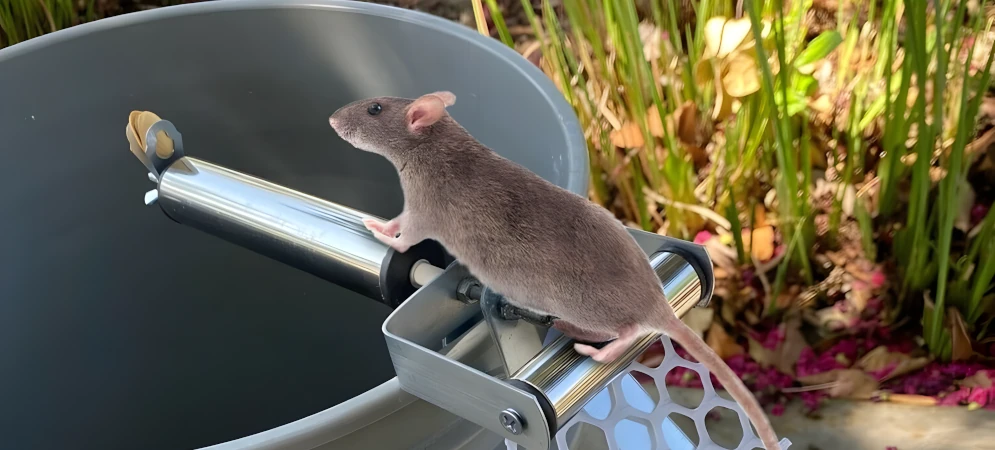
1. Rodents (Mice & Rats)

Cold weather drives rodents indoors, where they chew through insulation, wires, and food packaging. Their droppings and nesting habits can spread disease and cause property damage. Seal entry points, especially around vents, pipes, and foundation cracks.

2. Spiders

Though most spiders prefer dark corners and basements year-round, winter often pushes them into bedrooms, bathrooms, and living areas. Vacuum regularly and eliminate clutter where spiders can hide.

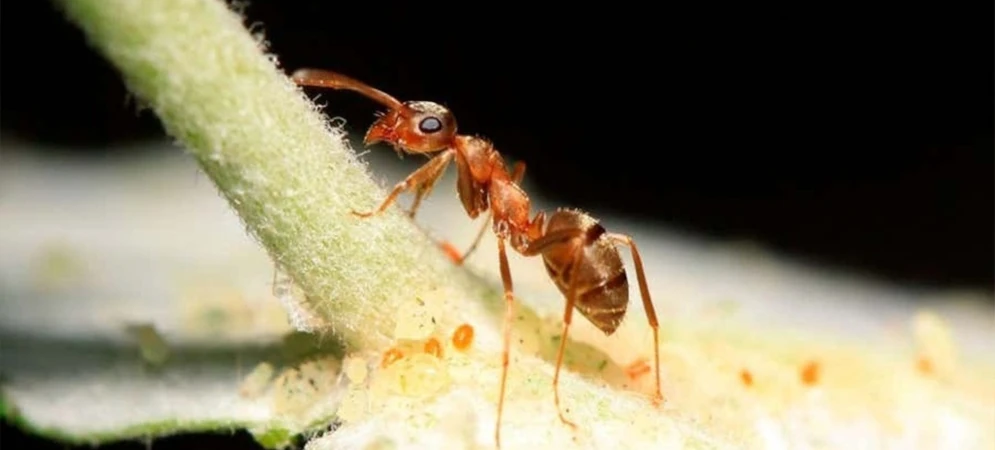
3. Ants

Even in winter, ants can appear in kitchens and pantries seeking moisture or crumbs. Carpenter ants, in particular, tunnel into wood, causing structural issues over time. Keep food sealed and check for damp wood near windows or basements.

4. Cockroaches

These resilient pests thrive in warm, humid areas like kitchens, bathrooms, and laundry rooms. Once they’re in, they multiply quickly. Fix leaks, keep surfaces clean, and don’t leave standing water overnight.

5. Silverfish & Earwigs

These moisture-loving insects often show up in basements, bathrooms, and attics. While harmless, they can damage paper, fabrics, and stored belongings. Use dehumidifiers and store items in sealed containers.

Stay Protected This Winter

Preventing pests during the colder months starts with proactive care. Regular inspections, sealing entry points, and maintaining cleanliness go a long way — but when pests get in, professional help makes all the difference.

At Washington Pest Services, we offer seasonal pest protection plans that keep your home safe year-round using safe, eco-friendly methods that deliver long-term results.

📞 Call us today for a free winter pest inspection and reclaim your comfort this season!
  • neilghuman

Why DIY Pest Control Often Makes Things Worse

When pests invade, it’s tempting to grab a can of spray or set a few traps and call it a day. While DIY pest control might seem like a quick, affordable fix, it often leads to bigger — and more expensive — problems down the road.

Let’s uncover why do-it-yourself methods frequently fail and how professional pest control saves time, money, and stress.

1. Only Treating the Symptoms, Not the Source

Most store-bought sprays kill visible pests, not the colonies, nests, or entry points causing the infestation. Without targeting the source, pests quickly return — sometimes stronger than before.

2. Misidentifying the Pest

Different pests require specific treatments. Using the wrong product or method can not only be ineffective but also cause pests to spread or hide deeper within walls and floors.

3. Health and Safety Risks

DIY pesticides can contain harsh chemicals that pose health risks to kids, pets, and even indoor air quality if used improperly. Professionals use eco-safe, targeted solutions that protect your family and environment.

4. Hidden Damage You Can’t See

Termites, carpenter ants, and rodents cause internal damage long before you spot signs on the surface. DIY fixes rarely detect or address the full extent of an infestation.

5. Temporary Fixes Mean Long-Term Costs

A $20 spray might feel cheaper today — but if the problem resurfaces (and it often does), repairs and repeat treatments can cost far more than professional service.

Leave It to the Pros

At Washington Pest Services, we don’t just eliminate pests — we prevent them from coming back. Our experts inspect, identify, and treat the root of the problem using safe, science-based methods for lasting protection.

Don’t let DIY mistakes make things worse — let the experts restore your peace of mind.

📞 Contact Washington Pest Services today for a professional inspection and customized pest control plan that works.

  • neilghuman

10 Signs Your Home Has a Hidden Pest Problem

Pests don’t always announce themselves with obvious sightings—often, the warning signs are subtle, slow-building, and easy to miss until the damage is done. Whether it’s rodents in the walls, termites in the structure, or insects making themselves at home, early detection is key. Here are ten signs that your home may have a hidden pest problem lurking beneath the surface.

1. Unexplained Noises in Walls or Ceilings

If you’re hearing scratching, scurrying, or tapping behind walls or above your ceiling, chances are you’re not imagining things. Rodents, squirrels, and even certain insects create noise as they move through insulation, chew materials, or build nests. These sounds usually become more noticeable at night when household activity quiets down.

2. Droppings or Tiny Debris Trails

Small droppings, shredded paper, or sawdust-like debris can be strong indicators of pest activity. Rodents leave pellet-shaped droppings, while insects like termites and carpenter ants leave behind fine frass. Finding these materials around cabinets, basements, pantries, or baseboards is a red flag that something is nesting nearby.

3. Strange or Musty Odors

Unusual odors—musky, sour, or ammonia-like—often signal pests long before you see them. Rodents release distinctive scents, as do cockroaches and mold-causing moisture from hidden infestations. If certain areas of your home develop persistent odors you can’t explain, pests may be the culprit.

4. Gnaw Marks on Wood, Wires, or Food Packaging

Chewing damage is a classic sign of an uninvited guest. Rodents gnaw through wood, plastic, insulation, and electrical wiring, creating both property damage and fire hazards. If you find torn food packaging, bite marks, or frayed wires, it’s time to investigate further.

5. Grease Marks or Smudge Trails Along Walls

Rats and mice often travel along the same paths, creating dark, greasy streaks as their bodies rub against walls and baseboards. These smudge marks tend to appear low to the ground and repeat along common travel routes. If you notice mysterious lines or trails, it may indicate frequent pest movement.

6. Hollow-Sounding or Damaged Wood

Termites and carpenter ants chew through wood from the inside out, leaving surfaces that look solid but feel hollow when tapped. Doors that stick, sagging floors, or bubbling paint can also signal hidden moisture and insect activity. If wood sounds softer than expected, pests may be compromising your home’s structure.

7. Increased Pest Sightings Around Your Yard

Sometimes, outside activity is the first clue to an indoor problem. If you’re noticing more ants, spiders, bees, or rodent sightings around your property, it may indicate that your home is attracting pests—or housing them. Outdoor nests or burrows often precede indoor infestations.

8. Unexplained Allergies or Respiratory Issues

Pests like cockroaches, rodents, and dust mites can trigger allergies and respiratory symptoms. If you or your family experience unexplained sneezing, coughing, itchy eyes, or worsened asthma indoors, hidden infestations may be to blame. Their droppings and dander often go unnoticed until symptoms escalate.

9. Tiny Holes or Tracks in Fabrics, Carpets, or Furniture

Moths, beetles, and rodents often damage textiles, leaving behind small holes, shredded fabric, or chewed edges. If furniture upholstery, blankets, or stored clothing shows unusual wear, pests may be nesting inside or feeding on natural fibers.

10. Visible Entry Points or Nesting Materials

Sometimes the simplest clues are the most telling. Check around doors, windows, vents, and utility openings for cracks, gaps, or torn screens. Nesting materials—like dried grass, shredded paper, insulation, or leaves—can also indicate rodent activity. Even small exterior openings can serve as major gateways for pests.

Trust the experts.

Hidden pest issues can escalate quickly, causing structural damage, health concerns, and costly repairs. The earlier you identify the warning signs, the easier it is to stop the problem in its tracks. If you’ve noticed any of these indicators, consider scheduling a professional inspection to ensure your home stays safe, healthy, and pest-free.

📞 Call us today for a free pest inspection and reclaim your comfort and peace of mind.

  • neilghuman

How to Keep Ants Out of Your Kitchen for Good

Ants are one of the most common household pests, and once they find a reliable food source, they can turn your kitchen into their personal buffet. The good news? With the right strategies, you can stop them at the source and keep your home ant-free year-round. Here are five effective ways to keep ants out of your kitchen—for good.

1. Keep Surfaces Clean and Crumb-Free

Ants are constantly on the hunt for food, and even the smallest crumbs can attract an entire colony. Wipe down countertops after every meal, clean spills right away, and sweep or vacuum the floor daily. Pay special attention to sticky spots, sugary residue, and areas around appliances where food often sneaks underneath. A consistently clean kitchen denies ants the reward they’re searching for.

2. Store All Food in Airtight Containers

Open food packaging is an open invitation for ants. Place cereals, snacks, baking ingredients, pet food, and even fruit into airtight containers to eliminate easy access. This not only prevents ants from finding their way inside but also keeps food fresher for longer. Even small adjustments—like sealing chip bags or storing ripe fruit in the fridge—can make a big difference.

3. Seal Entry Points Around Your Home

Ants can slip through the tiniest cracks around windows, doors, and baseboards. Take a few minutes to inspect your kitchen and adjacent rooms for gaps, then seal them with caulk or weather stripping. Pay attention to spots where plumbing enters the wall—these areas often serve as hidden entryways for ants traveling indoors in search of moisture and food.

4. Remove the Attractants Outside, Too

Keeping ants out of your kitchen starts with removing the things that attract them outside your home. Trim back vegetation that touches your house, clean gutters regularly, and eliminate standing water sources. Keep outdoor trash bins tightly sealed and avoid storing firewood against the exterior walls. A cleaner perimeter means fewer ants scouting for access indoors.

5. Use Professional-Grade Ant Control for Lasting Results

While DIY sprays and traps can help temporarily, they often only kill the ants you see—not the thousands in the colony. For long-term relief, professional-grade treatments target the nest directly, stopping ants at the source. A trained technician can identify entry points, assess the species, and create a customized treatment plan that keeps your kitchen protected for the long haul.


Protect Your Home With Professional Pest Care

Keeping ants—and all pests—out of your home doesn’t have to be a constant battle. With the right prevention, a clean environment, and expert support, you can enjoy a kitchen that stays pest-free year-round. At Washington Pest Services, we use family- and pet-conscious treatments designed to eliminate pests at the source and stop them from coming back. Whether you’re dealing with ants, rodents, spiders, or seasonal intruders, our trained technicians provide fast, reliable, and long-lasting protection. If you’re ready for a safer, cleaner, and more comfortable home, schedule your pest inspection today. We’re here to keep your home protected—now and for every season ahead.

📞 Call us today for a  pest inspection and enjoy the benefits of expert pest control and great service.